
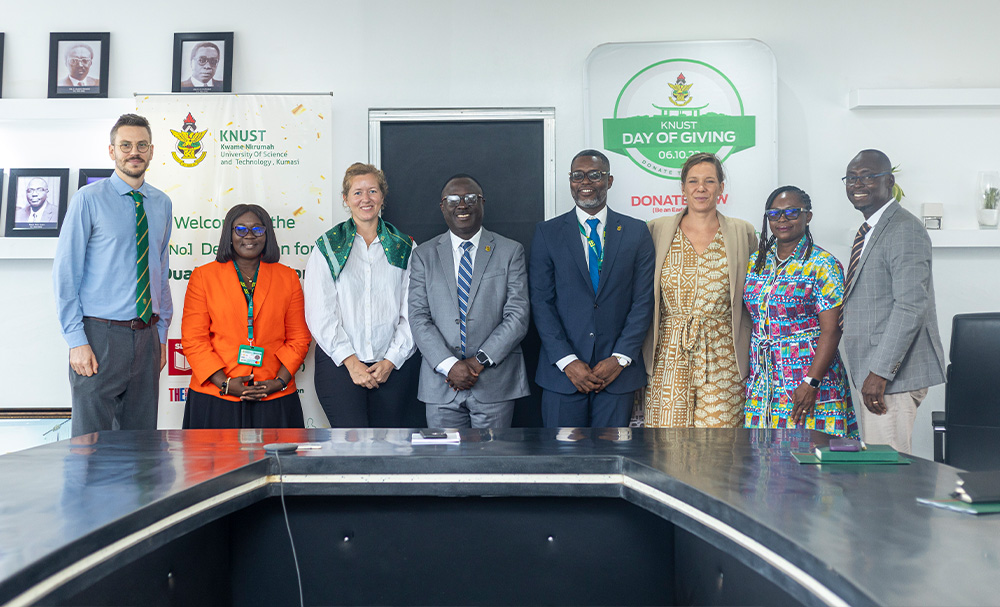
The Government of the Federal Republic of Germany and the Kwame Nkrumah University of Science and Technology (KNUST) have reaffirmed their long-standing collaboration, with plans to introduce German language courses as part of efforts to deepen academic ties and expand opportunities for students and staf The move follows a visit by a German delegation, including the Deputy Ambassador and the Director of the Goethe-Institut, as part of ongoing engagements after a Memorandum of Understanding (MOU) signed in November last year.
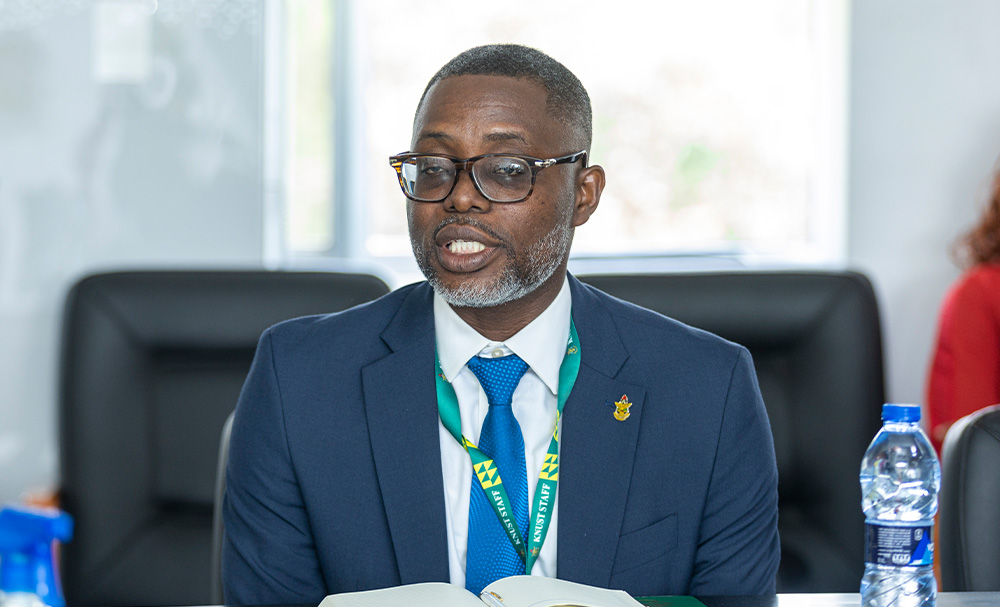
Professor Edmund Ekuadzi, Dean of the International Programmes Office, said the meeting marked the first practical step toward implementing the agreement.
“There is a visit from the Deputy Ambassador and the Director of the Goethe-Institut, and their mission is to discuss how we can implement the things we signed and the beautiful words in the MOU in November last year when the President visited KNUST,” he said.
“This is a follow-up, more like the first step towards implementing the plans we had, particularly towards the establishment of a German language centre here at KNUST.”
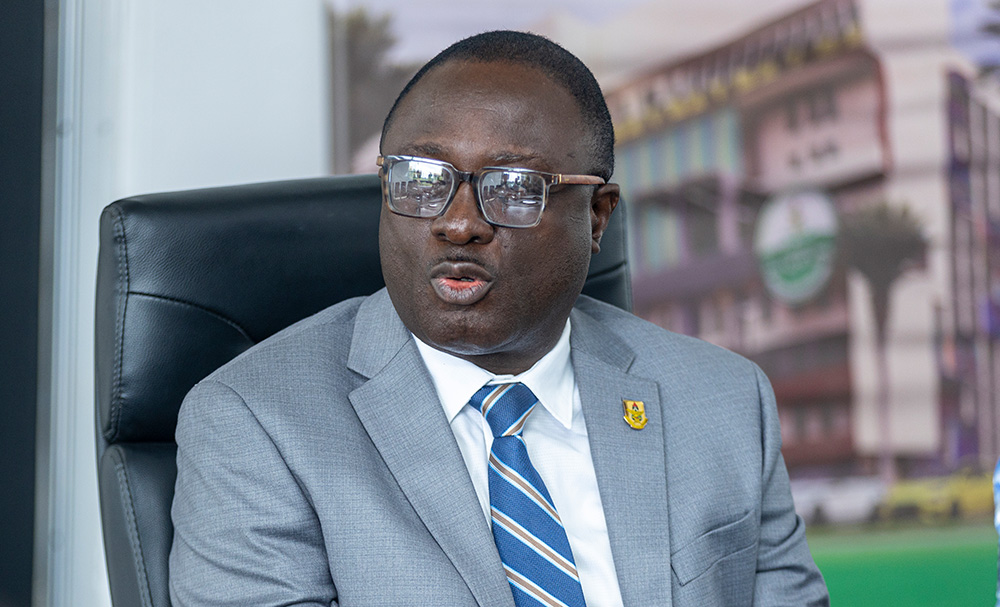
KNUST Pro Vice-Chancellor Professor David Asamoah welcomed the delegation, describing the engagement as a significant milestone in the university’s internationalisation agenda.
“We are always pleased to engage with our partners as we continue to strengthen our international collaborations. This initiative is an important step in expanding opportunities for our students and staff,” he said.
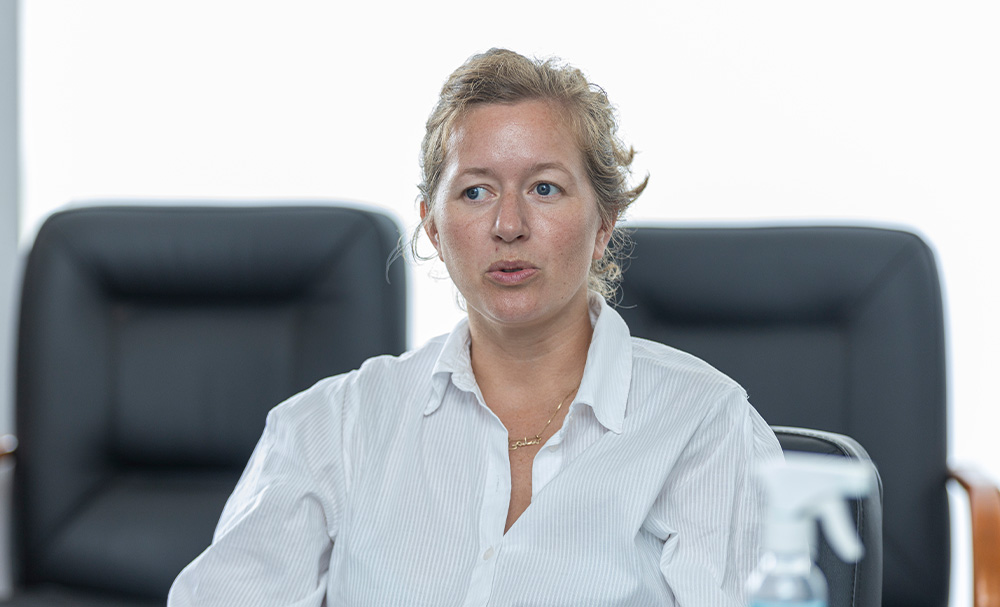
The Director of the Goethe-Institut, Dr. Katharina Görgen, reaffirmed the institute’s commitment to supporting the establishment of the centre, describing it as a step toward strengthening German language education and cultural exchange in Ghana.
Germany’s Deputy Ambassador, Sivine Jansen, said KNUST remained one of Germany’s strongest academic partners in Ghana, citing collaborations in research, training and institutional support.
“KNUST is really the university in Ghana that has the strongest partnerships with Germany,” she said.
She added that Germany was prepared to support a lecturer programme funded by the German Academic Exchange Service, which could commence once formal applications are completed.
“The call is usually issued around September, and the lecturer typically starts about a year later. But in some cases, it can be accelerated if institutions are ready,” she said.
She noted that curriculum development and accreditation would require collaboration with relevant academic departments at KNUST and pointed to ongoing partnerships, including training initiatives supported by companies such as Siemens and Rohde & Schwarz.
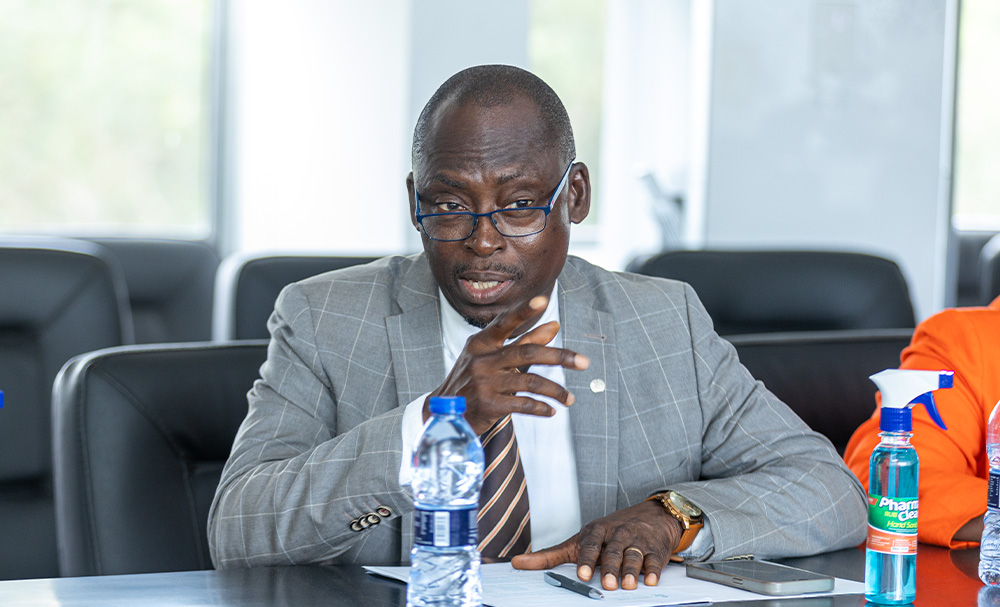
Dr. Ralph Nyadu-Addo, Coordinator of the DAAD ACCESS Project, said efforts to introduce German language programmes at KNUST had faced challenges over the past two decades despite strong interest.
“For about 21 years, almost seven German ambassadors have come here saying this is a priority,” he said.
He said earlier pilot programmes had been successful, with students passing German proficiency examinations under sponsored arrangements, but staffing remained a key constraint.
“The challenge has always been a teacher. The university insists on Master’s or PhD level lecturers, and it has been difficult to find them locally,” he said.
Dr. Nyadu-Addo added that efforts to recruit qualified lecturers from neighbouring countries, including Togo and Benin, had shown promise, with a new instructor recently arriving to support initial training.
“We have accommodation and lecture rooms ready. At least we can start with proficiency courses while we work towards full academic accreditation,” he said.
He added that discussions were ongoing with partner institutions in Germany and Europe, including universities in Leipzig, to support staffing and curriculum development.


